Gingerbread House Embroidery Files Review
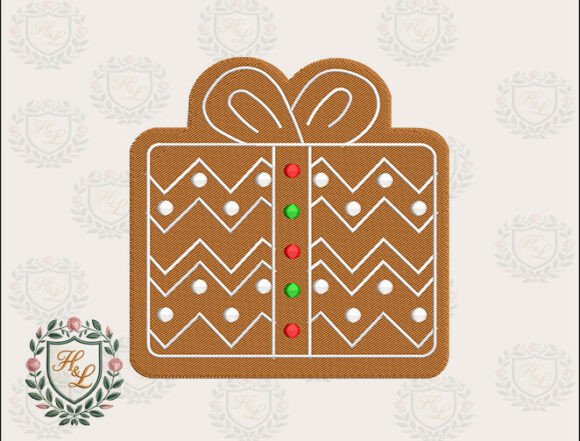
As an embroidery designer who has spent years translating digital concepts into tangible threads for small businesses, I approach every new machine embroidery design with a critical eye. The goal is never just to create something pretty; it is to produce a finished product that elevates a brand, withstands commercial wear, and delivers value to the customer. Recently, I evaluated the Gingerbread House Embroidery Files, a digital asset described as a high-quality appliqué design perfect for shirts, tote bags, pillows, and festive decorations. While the description promises versatility, my review focuses on how this specific embroidery file performs in the demanding environment of small business merchandising, branded patches, and professional apparel decoration.
First Impressions: Visual Personality and Brand Fit
Upon opening the Gingerbread House Embroidery Files, the immediate visual impression is one of warmth and nostalgia. The design leans heavily into a rustic, handmade aesthetic that feels inherently friendly and inviting. For a boutique bakery, a cozy café, or a local florist looking to capitalize on the holiday season, this Christmas motif offers a distinct advantage over generic clip art. It does not feel mass-produced; instead, it suggests care and craftsmanship.
However, from a branding perspective, the design's "playful" nature requires strategic placement. If your brand identity relies on sleek minimalism or corporate rigidity, this whimsical house might clash. Conversely, for brands built on community, comfort, and artisanal quality, the Gingerbread House Embroidery Files serve as an excellent vehicle to communicate those values. The design assets within the file appear robust enough to handle the transition from a screen to a physical patch without losing their charm, provided the execution respects the inherent details of the appliqué style.
Performance in Real-World Business Applications
The true test of any digital embroidery file lies in its application across various merchandise types. In my analysis, the Gingerbread House Embroidery Files show significant potential for several key business use cases:
- Branded Patches and Labels: This design is ideally suited for creating custom embroidered patches. Whether attached to denim jackets, canvas tote bags, or backpacks, the appliqué elements add texture and depth that flat stitching cannot achieve. These patches can serve as premium customer gifts or exclusive rewards for loyalty programs.
- Staff Uniforms and Aprons: For a seasonal pop-up shop or a permanent bakery, adding this design to apron embroidery or chest logos on staff shirts creates instant team cohesion. It signals to customers that the business is festive and welcoming. The design works well as a sleeve detail on work shirts, offering a subtle nod to the season without overwhelming the uniform.
- Cap Embroidery: Placing a simplified version of the gingerbread house on the front of a cap can be a powerful marketing tool. However, because caps have curved surfaces, the design must be carefully sized to prevent distortion. When executed correctly, it becomes a walking billboard for your local business.
- Tote Bag Design and Merchandise: The description highlights tote bags as a primary use case, and rightly so. A large-scale application on a heavy-duty cotton tote transforms a simple utility item into a collectible piece of small business merch. Customers are more likely to carry and display a bag featuring such a detailed, high-quality design.
In the context of commercial embroidery, these files allow creators to offer limited-edition holiday collections. By using the Gingerbread House Embroidery Files, you can differentiate your inventory from competitors selling standard printed goods. The tactile nature of the appliqué adds perceived value, justifying a higher price point for your handmade products.
Critical Considerations for Professional Execution
While the potential is high, experienced designers know that not all designs translate perfectly to every substrate. There are specific scenarios where the Gingerbread House Embroidery Files require careful handling to maintain professionalism.
Size and Detail Constraints
Appliqué designs often rely on precise layering and clean edges. If you attempt to shrink this design too much for a tiny patch or a small logo accent on a button-down shirt, the intricate details may become muddy. The stitch density could increase to a point where the fabric puckers or the threads tangle. Always check the minimum recommended size before committing to production. If the design includes tiny lettering or fine outlines, these elements may disappear on textured fabrics like fleece or heavy canvas.
Fabric Texture and Stabilization
The success of this embroidery file depends heavily on the stabilizer used. Appliqué requires a strong base to hold the fabric pieces in place while the satin stitches secure them. On dark uniforms or items that undergo frequent washing, you must ensure the backing is sufficient to prevent fraying or peeling. Additionally, if the target fabric has a high pile or loose weave, the crisp lines of the gingerbread house may get lost. Testing on a scrap of the actual material is non-negotiable.
Color Contrast and Visibility
The thread colors selected for the gingerbread house are crucial for brand recognition. A design that looks vibrant on a white pillow might vanish on a navy blue apron. Before finalizing your order, review the thread contrast against your specific garment colors. You may need to adjust the palette slightly to ensure the design pops, especially for cap embroidery where visibility from a distance matters.
Impact on Brand Identity and Customer Trust
Using high-quality design assets like the Gingerbread House Embroidery Files directly influences how customers perceive your business. A well-executed embroidered patch or logo communicates attention to detail. It tells the buyer that you invest in quality materials and skilled labor. This perception builds trust and encourages repeat purchases.
For Etsy sellers and handmade brands, the difference between a cheap print and a custom embroidered patch can be the deciding factor in a sale. The tactile experience of touching the raised appliqué creates an emotional connection that flat printing cannot replicate. Furthermore, consistent use of this design across various items—from tote bag design to product packaging accents—reinforces visual consistency, making your brand more memorable.
Practical Designer Notes for Implementation
To ensure the best results when integrating the Gingerbread House Embroidery Files into your workflow, follow these professional guidelines:
- Test in Black and White First: Before running color threads, hoop the design in black to check for registration issues, spacing, and overall shape integrity.
- Verify Hoop Size: Confirm that your machine's hoop can accommodate the full dimensions of the design without needing to re-hoop, which can cause misalignment.
- Create Printable Mockups: Generate a printable mockup for client approval. Show the design on the actual product (e.g., a photo of a tote bag) to manage expectations regarding scale and placement.
- Check Licensing: Always confirm the commercial licensing terms associated with the digital embroidery file. Ensure you have the right to sell items made with this design before launching your product line.
- Compare with Other Assets: Place the gingerbread design beside your other brand elements to ensure it complements your existing visual language rather than clashing with it.
By approaching the Gingerbread House Embroidery Files with a strategic mindset, you can transform a seasonal motif into a cornerstone of your holiday marketing. Whether for staff uniforms, customer giveaways, or premium merchandise, this design offers a unique opportunity to showcase the quality and character of your brand through the timeless medium of Embroidery.